

The New Guitar Connector
The Importance of the Connector
The connector is one of the most delicate and important parts of a guitar.
It is connected and disconnected daily, and the forces of playing are constantly transferred from the flexible instrument to the rigid world of cables and equipment.
It is also where the most delicate signals of your playing leave the guitar and enter the signal chain. A connector is never “just a connector”.
The Downsides of the 1/4″ Standard
For a very long time, the only guitar connector was the 1/4″ phone jack.
Originally designed for fast operation in telephone switchboards, it appears ideal for quick connections.
Paradoxically, on stage it is slow.
Because the hot signal is located at the tip, connecting or disconnecting requires muting the channel first — and unmuting afterwards. In practice, this often means shouting across the stage and waiting for the technician. The musical flow is interrupted.
The 1/4″ jack limitations:
• Only a single signal line
• Tip is hot, needs muting for connecting
• No power supply – guitar needs battery or remains passive
• No stereo – all pickups need to be mixed in the instrument
• No control or auxiliary signals
Other Connector Standards Since the 1960s
Microphones received a far superior connector: XLR.
It is balanced, hum-free (ground connects first), supports phantom power, locks securely, and is extremely robust — but it is too large for most guitars.
Later came the desire to transmit each string separately:
• ARP’s LEMO connector is excellent but expensive and limited to 7 pins.
• Roland’s 24-pin rectangular connector is another option.
• Paradis’ Neutricon is very solid but limited to 8 pins.
• Roland’s 13-pin DIN (GK) was introduced around 1985.
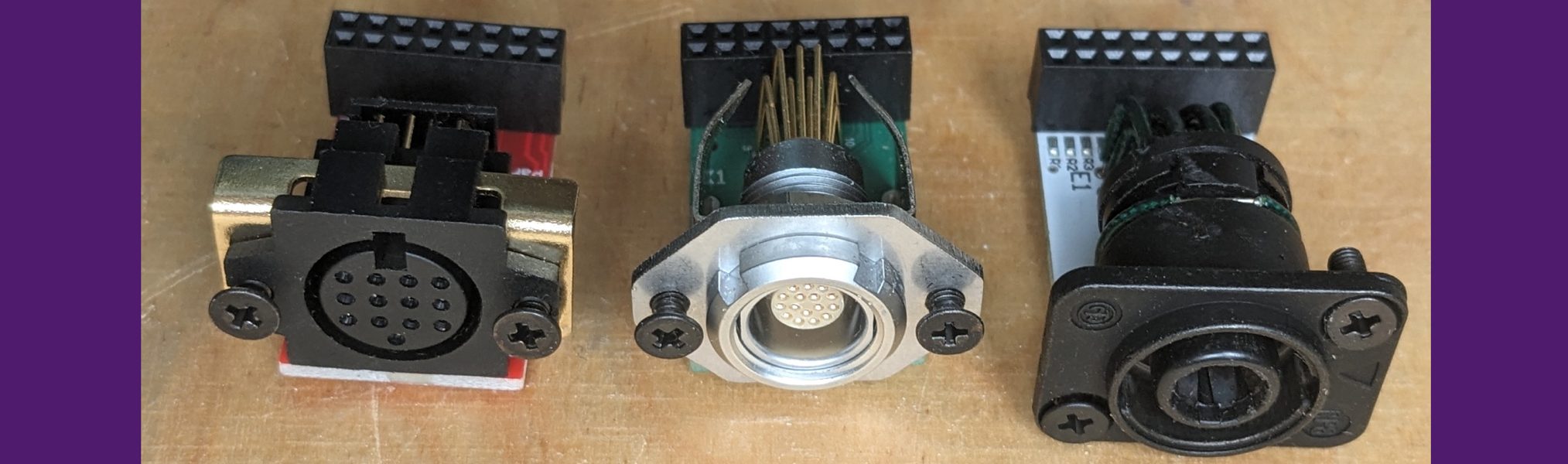
The 13-pin DIN became widely adopted, but it has weaknesses: it does not tolerate being stepped on, it can be connected the wrong way with enough force, and its ground connection relies on a ring contact that easily oxidizes — often causing crackling and unreliable operation.
Origin of the New Connector
For decades, Paradis searched for a better connector solution.
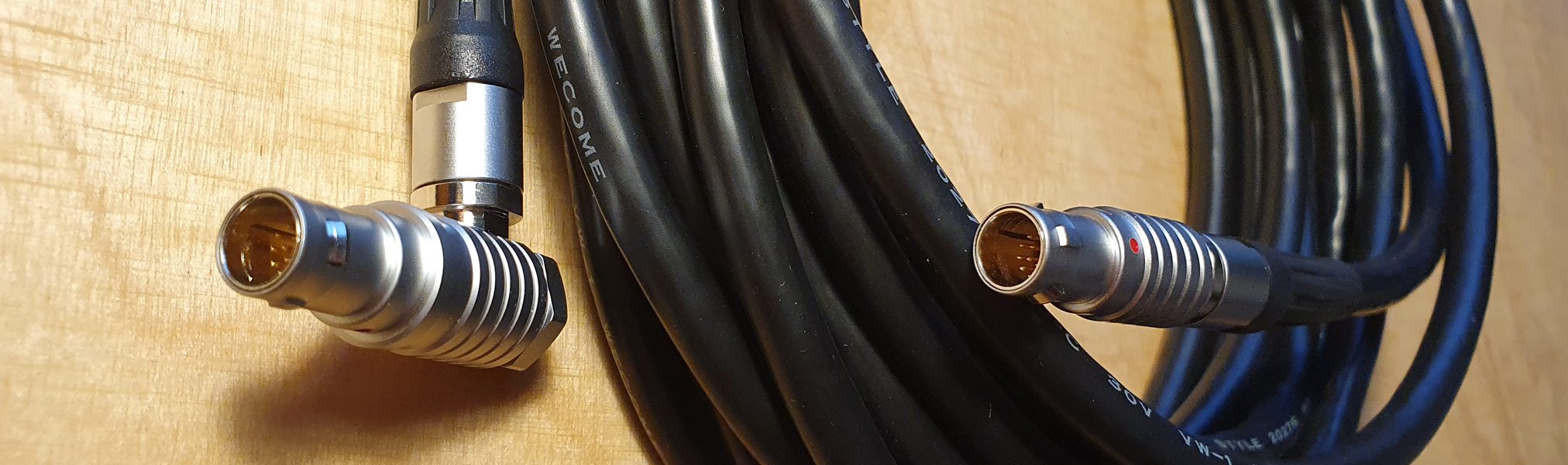
The decisive step came when Synquanon and Synth-Linx proposed using a modern locking multi-pin connector derived from professional medical and scientific equipment.
The Swiss company LEMO, founded in 1946, developed this locking principle for the watch industry. Its connectors became a standard in medical and scientific applications due to their precision, reliability, and durability. After the patent expired in 1999, high-quality compatible versions became available at a fraction of the original cost, making this technology practical for musical instruments.
Compatibility and Expansion
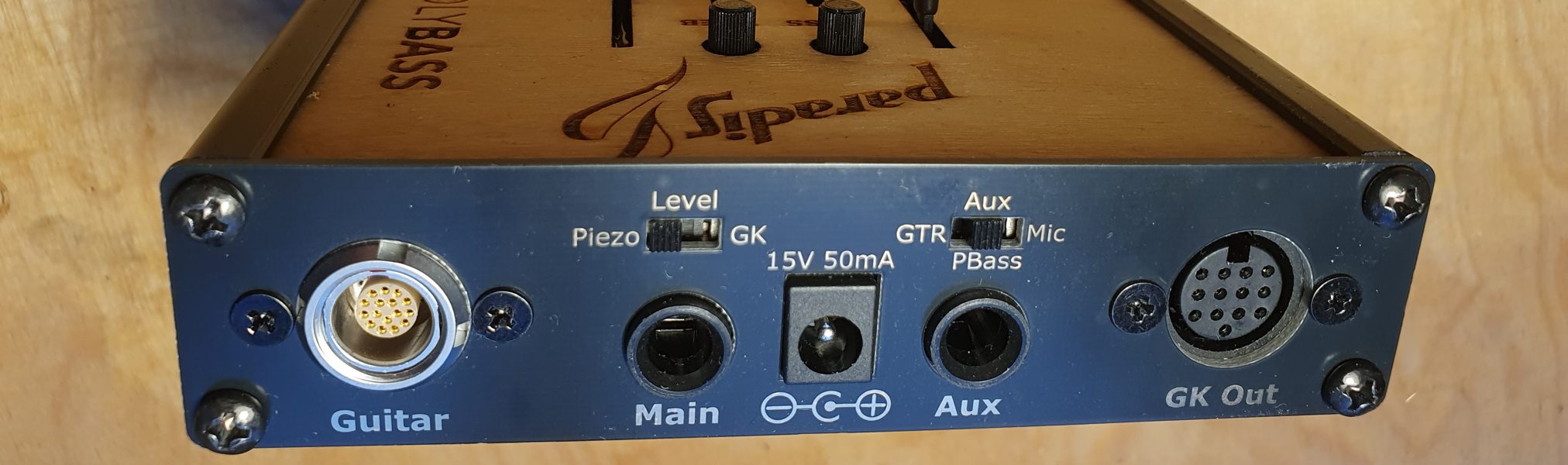
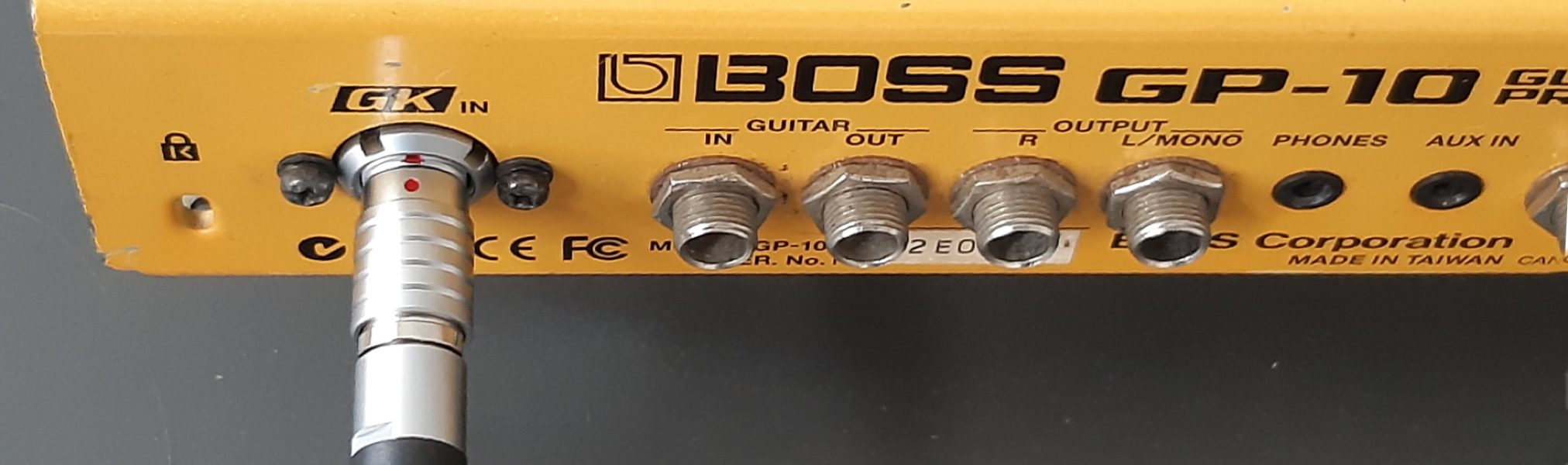
This connector is fully backward-compatible with the 13-pin guitar standard.
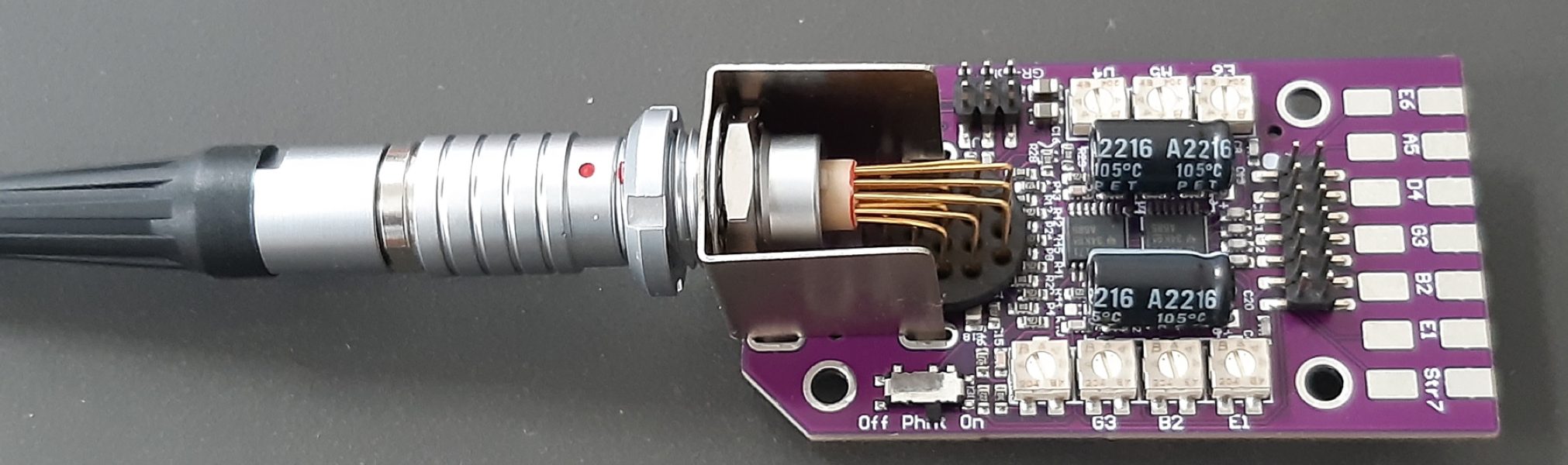
Existing guitars and equipment can be upgraded using adapter cables or interface boxes — usually without soldering.
Key Advantages over 1/4″ Phone Jack
• Extreme mechanical durability
• Multiple signals in one connector
• Smaller than most 1/4” jacks
• Minimal connection noise
• Secure locking to prevent accidental unplugging
Key Advantages over GK 13pin DIN
• Extreme mechanical durability, can withstand stepping on
• Impossible to connect the wrong way, unlike 13-pin DIN connectors
• Dedicated ground pin and gold-plated contacts
• 2 more pins for Multiple mono pickups/microphones and/or 7th string
• Smaller than 13pin DIN
• Secure locking to prevent accidental unplugging
An Open Proposal
This is not a proprietary connector for a single brand.
It is a proposal for a modern, global guitar connector standard, designed to respect existing systems while finally allowing them to evolve.